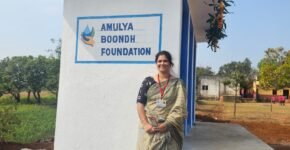

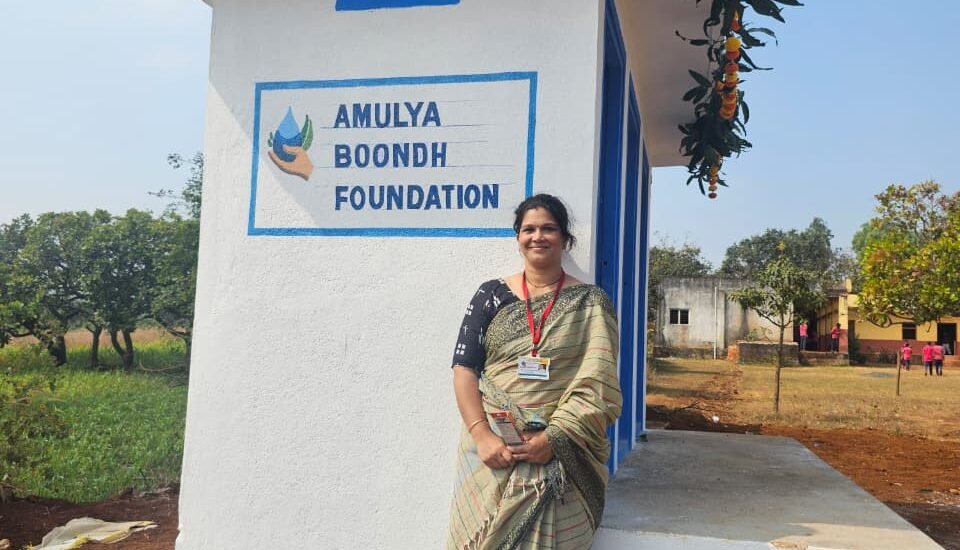
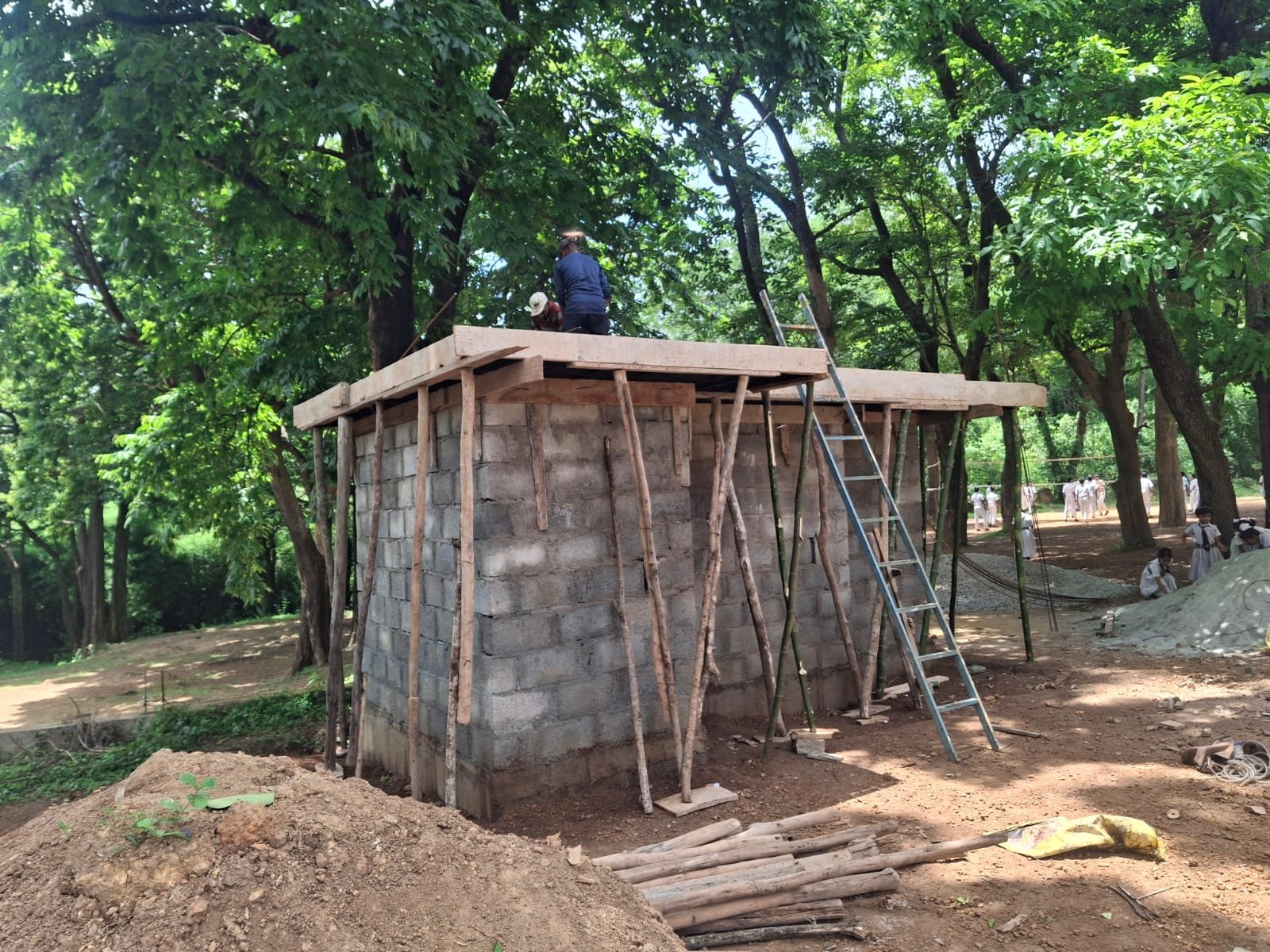
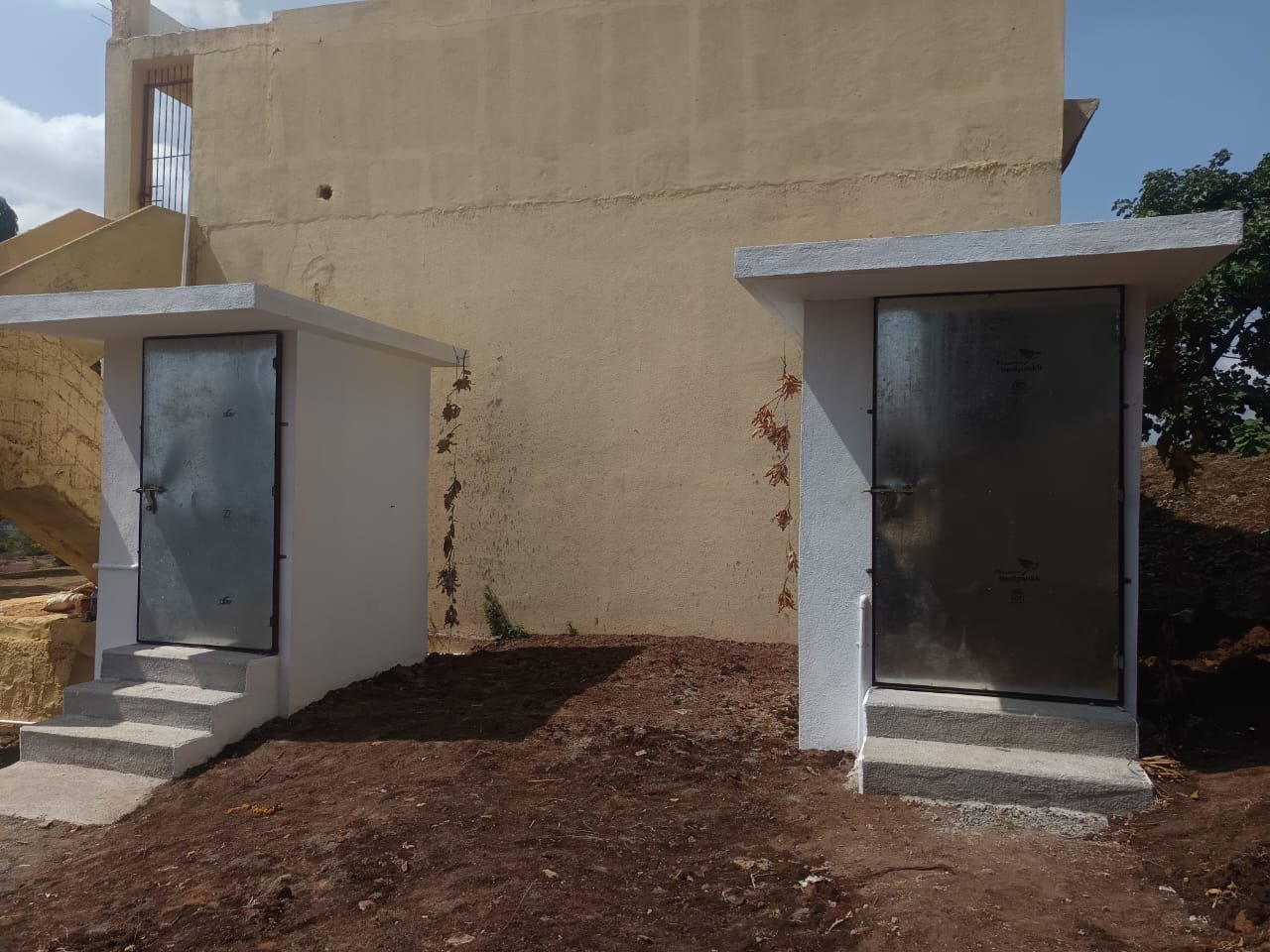
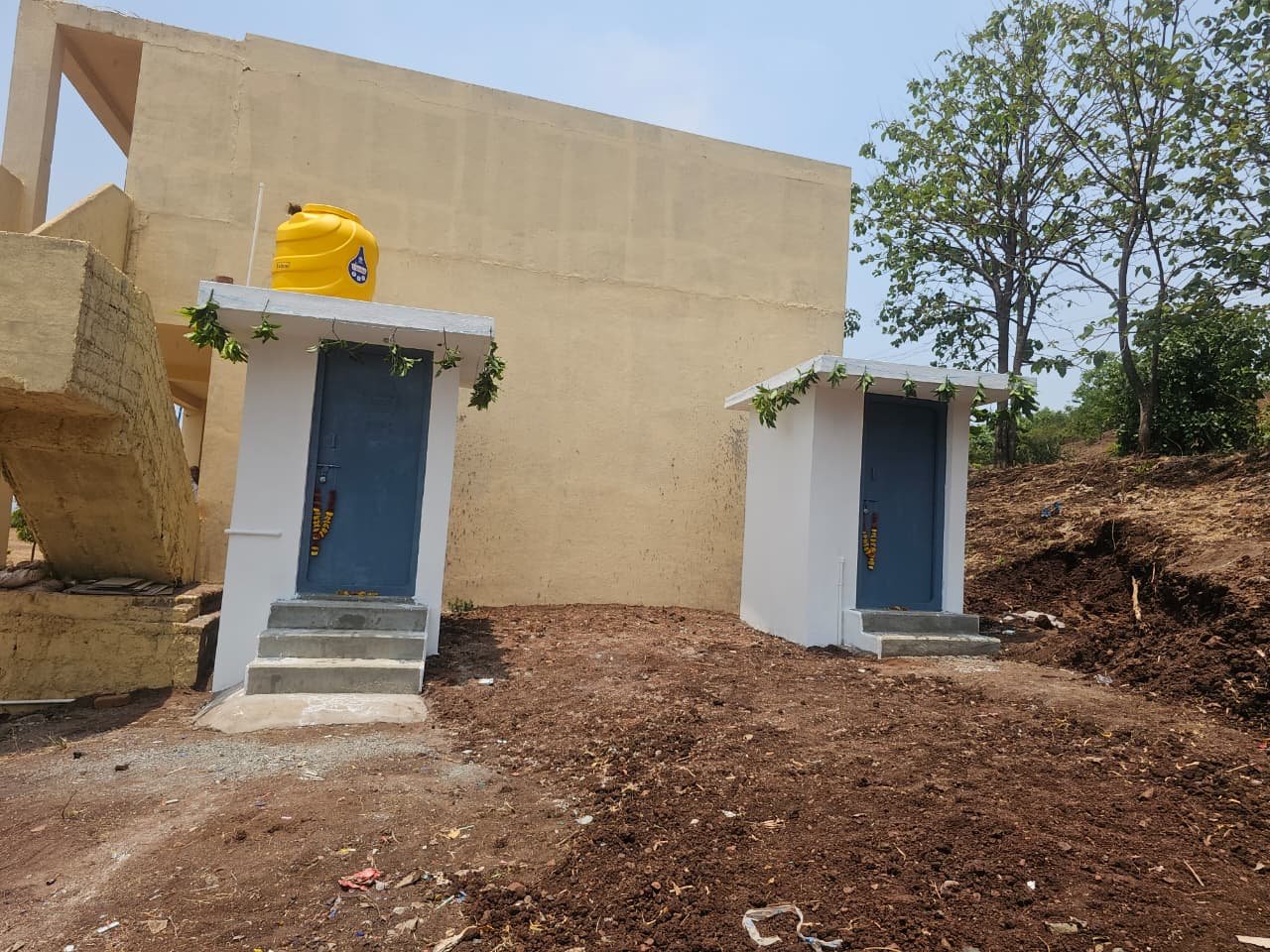
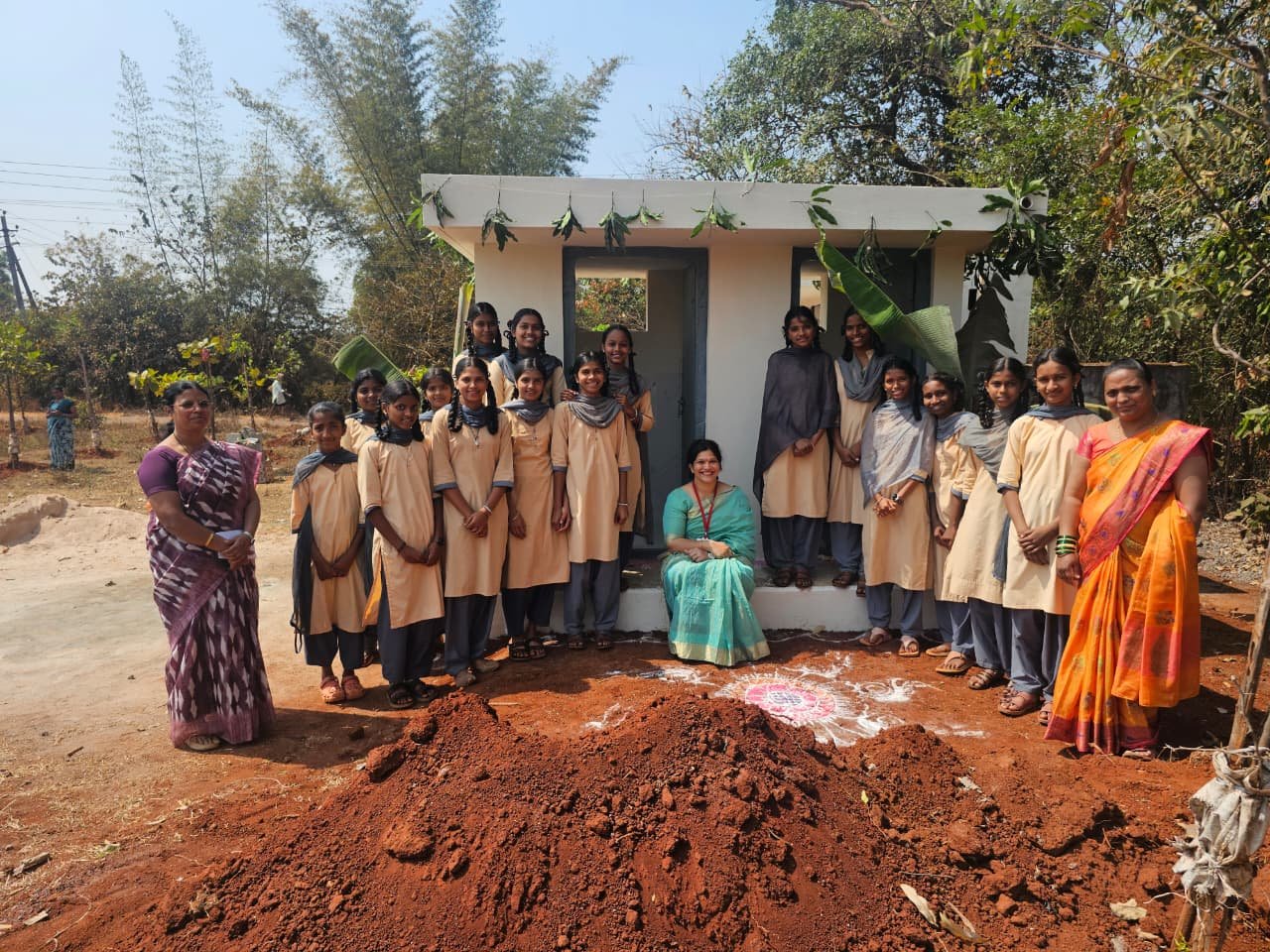
In 2025, Amulya Boondh Foundation began working on one of the most basic yet overlooked needs in rural schools—safe and functional toilets for children, especially girls.
A clean washroom is often taken for granted, but in many villages it can decide whether a girl attends school comfortably or stays home. We wanted to change that, one school at a time.
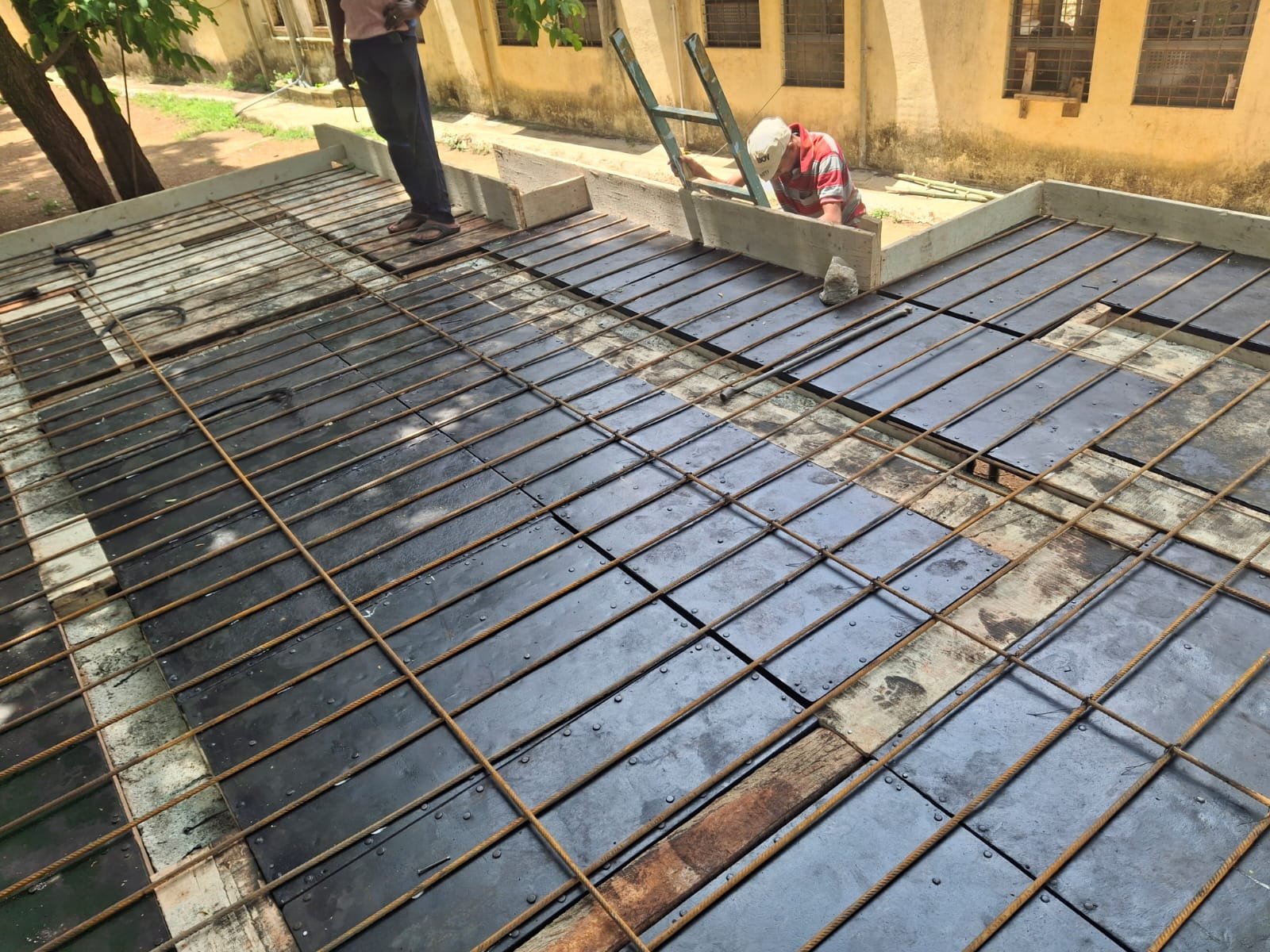
The journey started with a single toilet block. Today, five projects have been completed, while two more are under construction. Every project is designed to be practical, durable and built with the needs of the school in mind.
Wherever possible, we also integrate simple water conservation measures into our projects. In many rural schools, rainwater simply flows off rooftops and is lost because there is little awareness about harvesting it. We help schools channel rooftop rainwater into underground recharge structures or storage tanks so that this valuable resource can be conserved and used instead of going to waste. These are simple interventions, but they demonstrate that sustainability does not always require expensive technology—only thoughtful planning.
Nearly 90% of this work has been self-funded.
People often ask why a practising dentist would leave her profession to do this. It is a difficult question to answer because there is no simple explanation. Watching a school receive something as basic as a toilet or a functional rainwater harvesting system brings a sense of fulfilment that is impossible to measure. It is also a difficult way to live. There is always one more school waiting, one more request, one more village that needs help. At some point, our founder realised that while schools were changing, her own savings had almost disappeared. Knowing where to stop becomes the hardest part.
Some people admire the work, while others struggle to understand it. We have learnt not to spend time explaining ourselves. The work speaks far more honestly than we ever can, and so we simply continue.
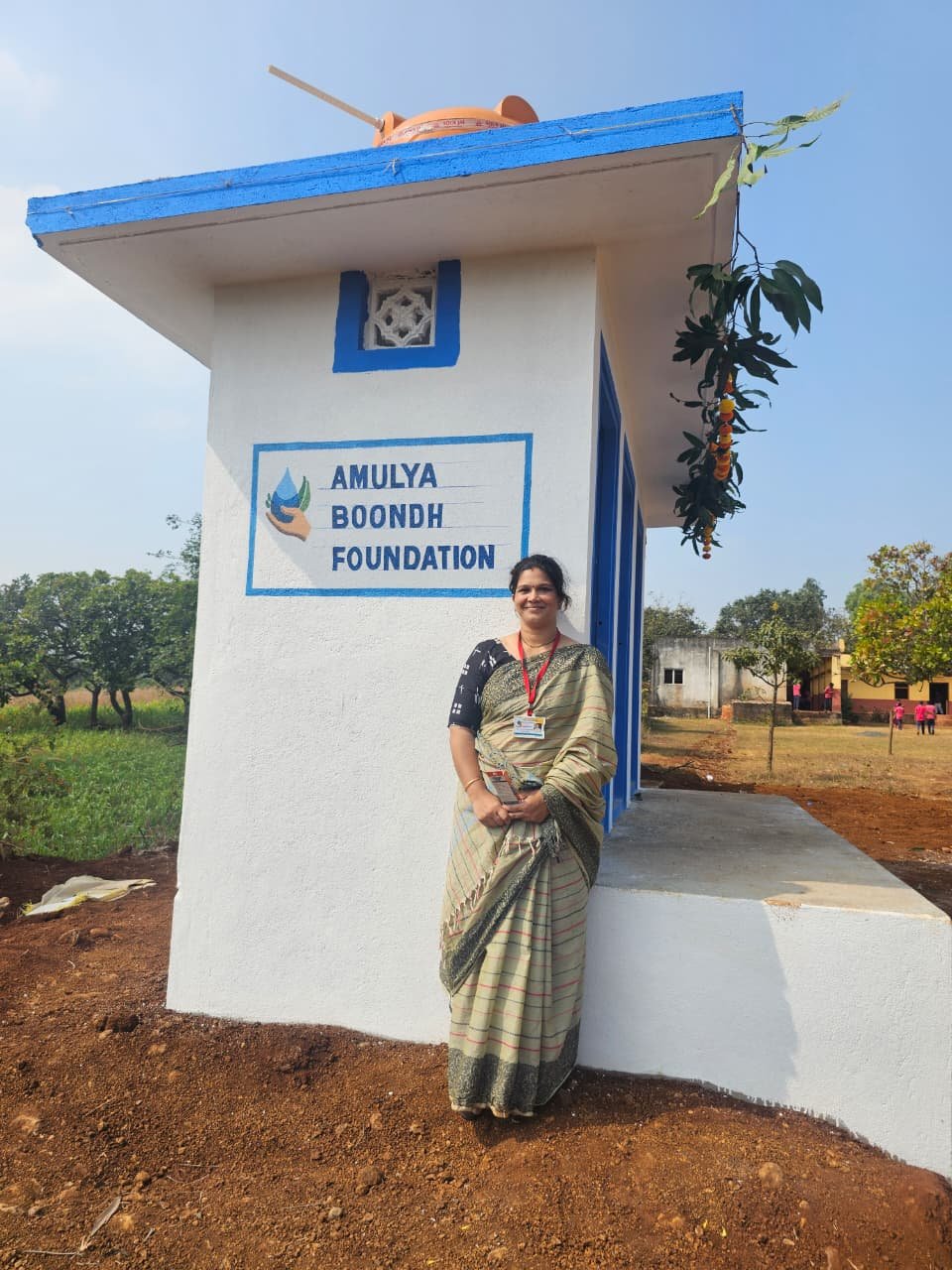
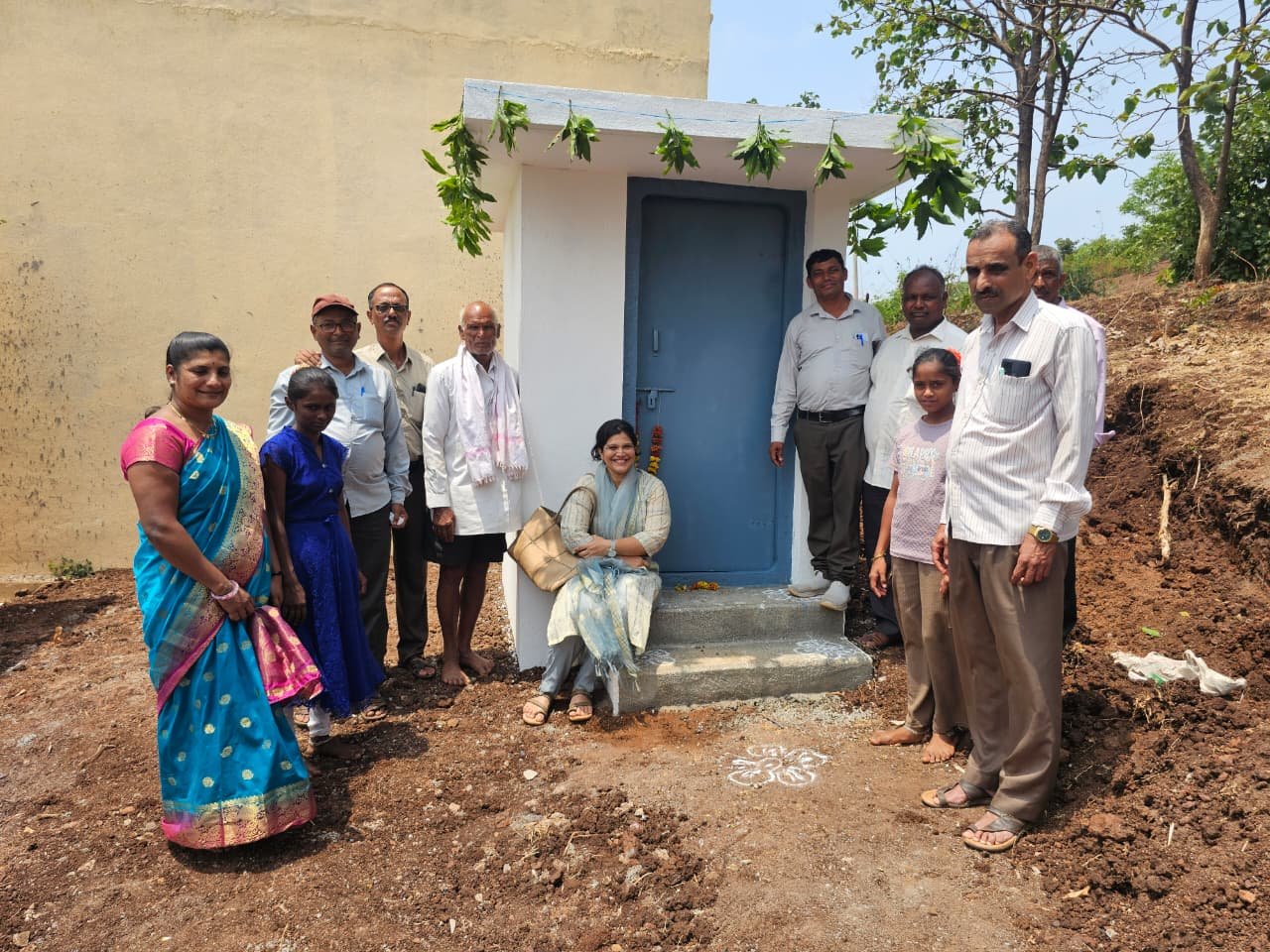
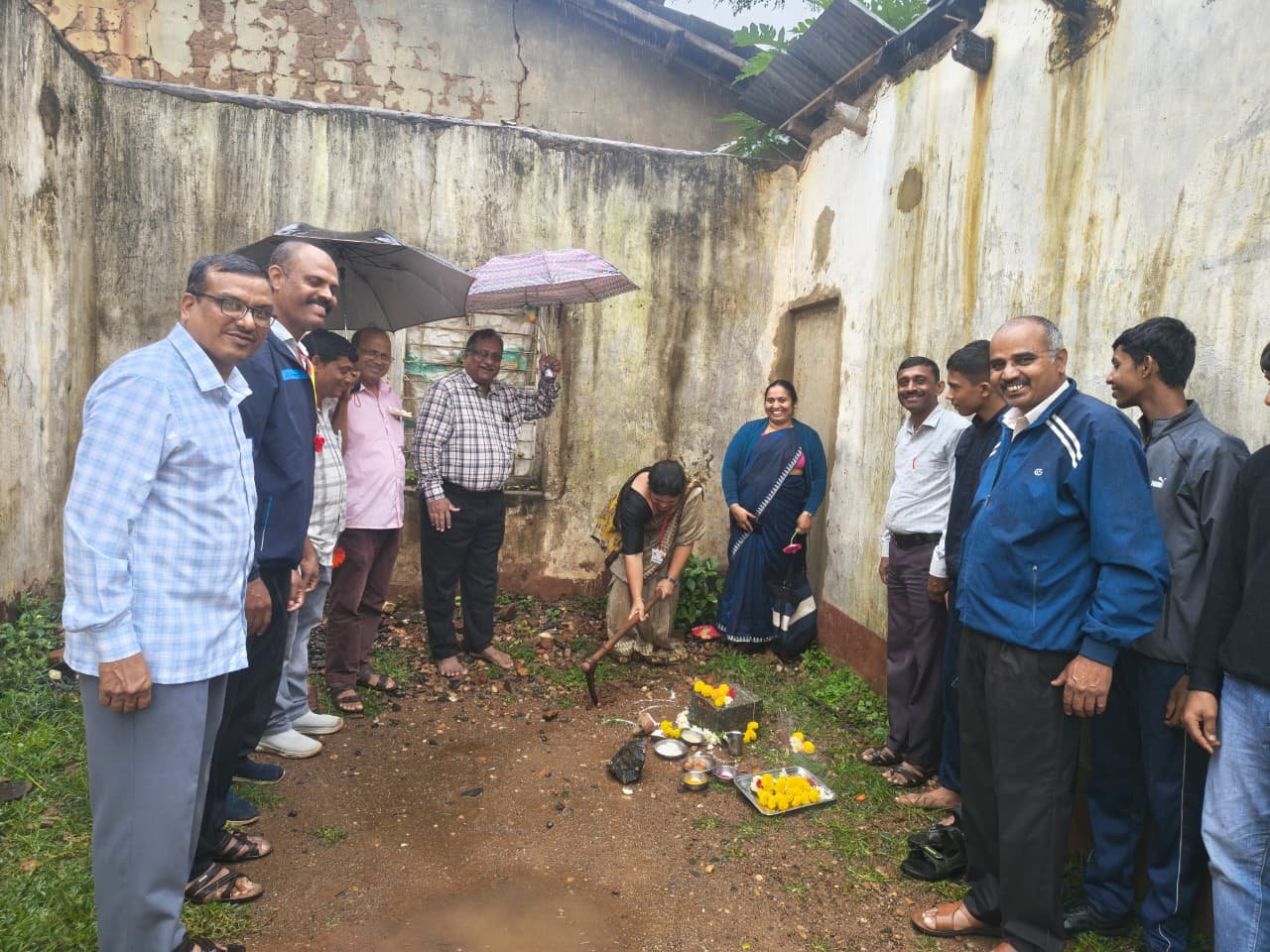
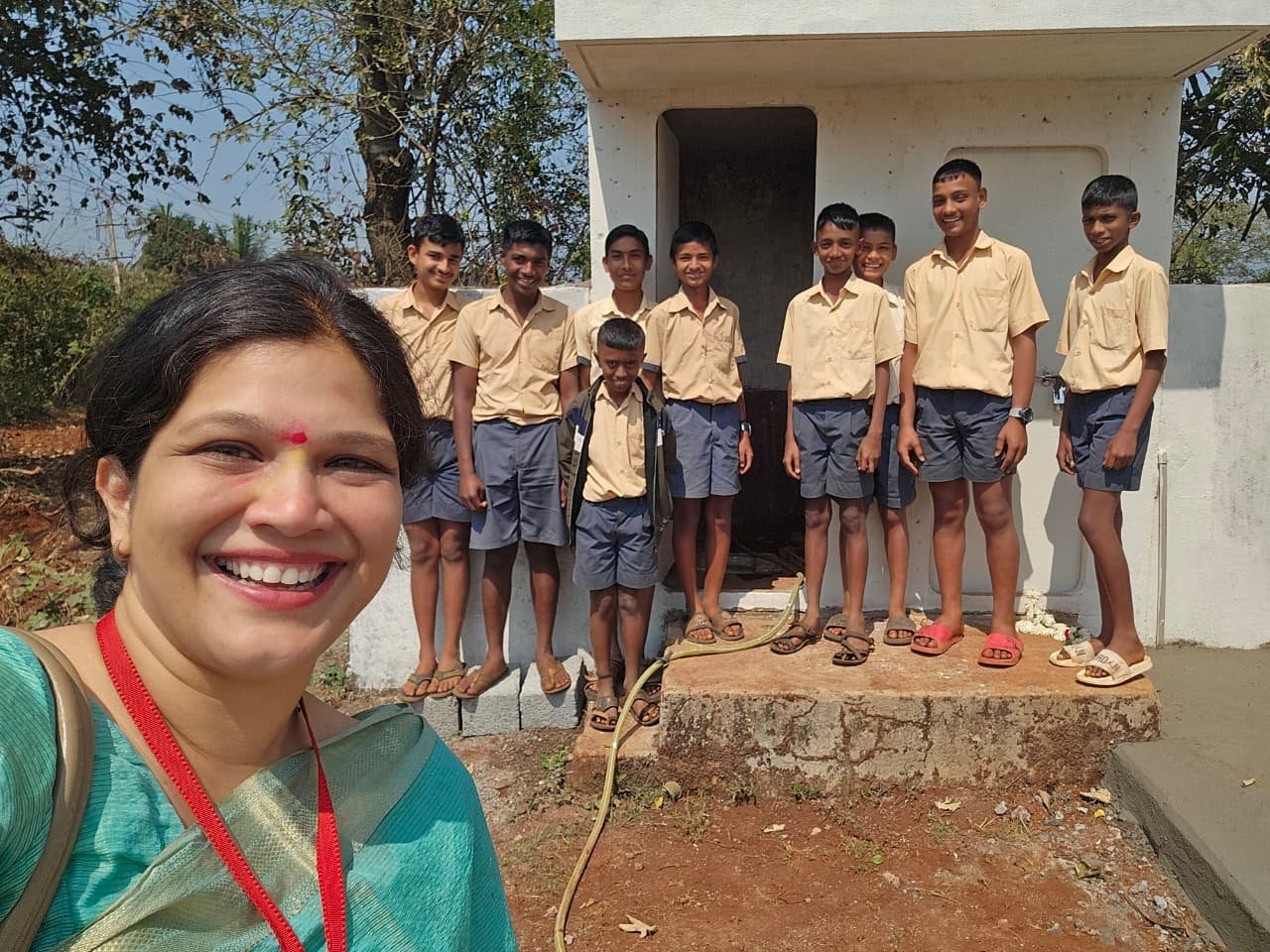
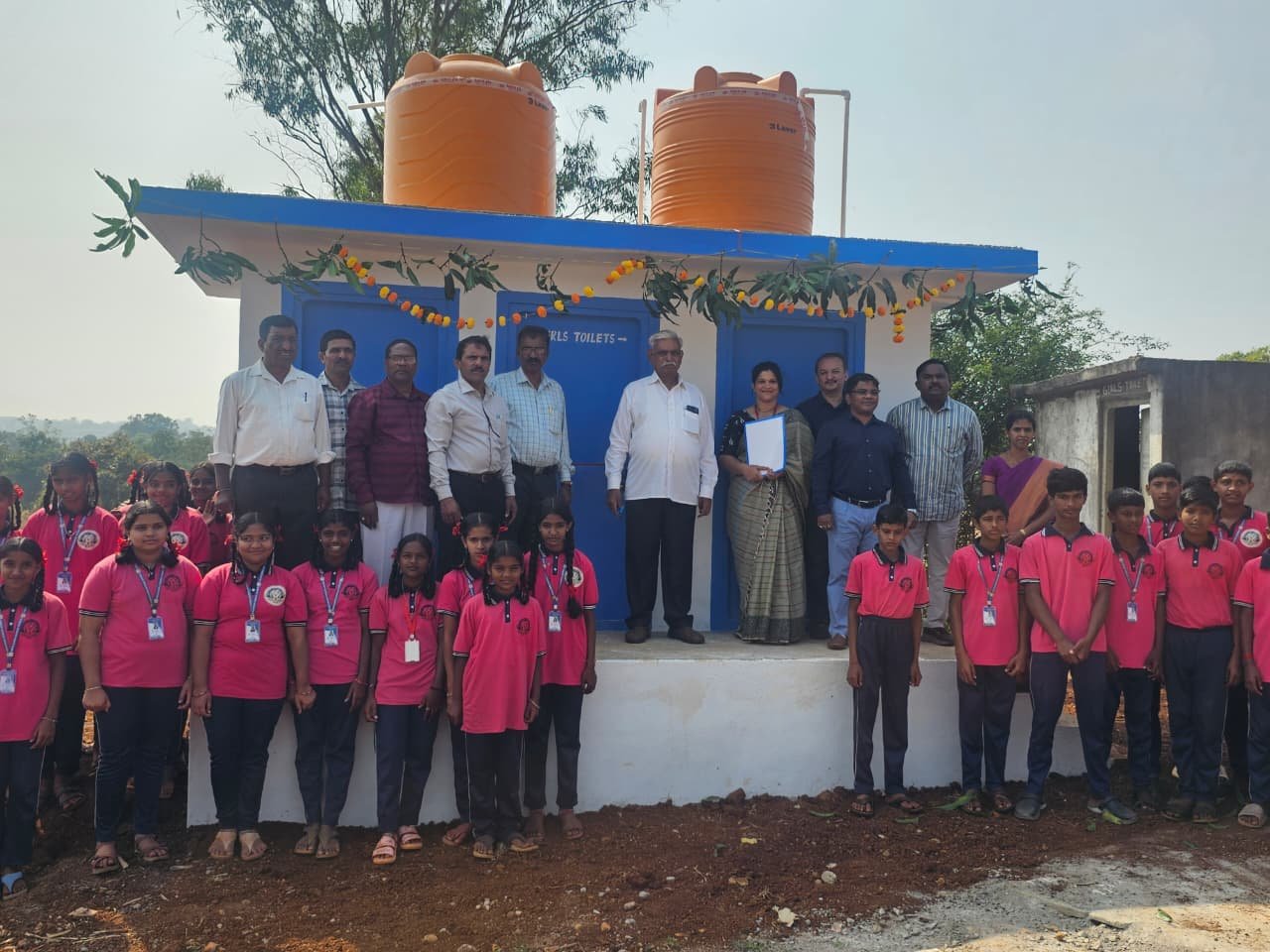
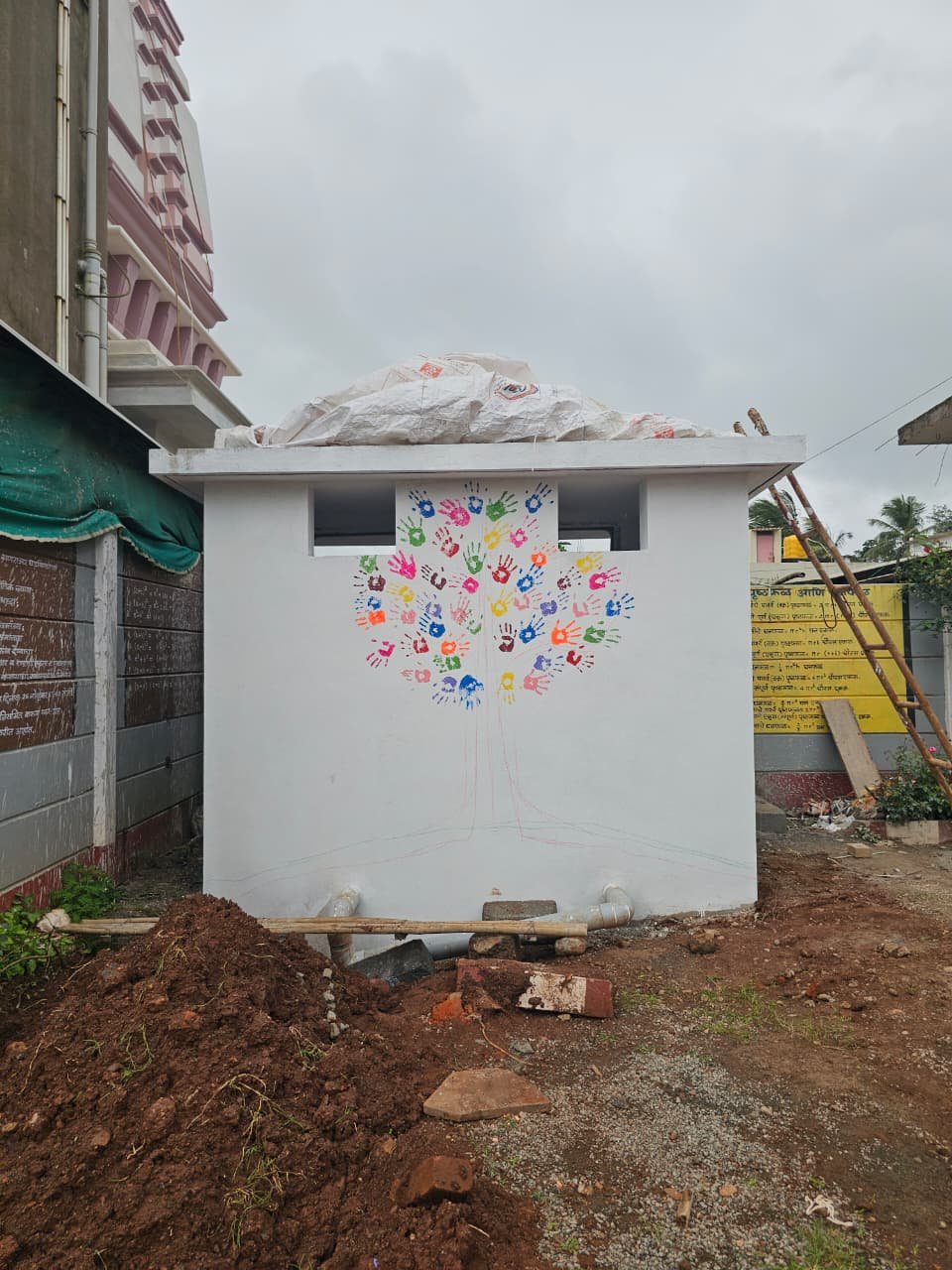
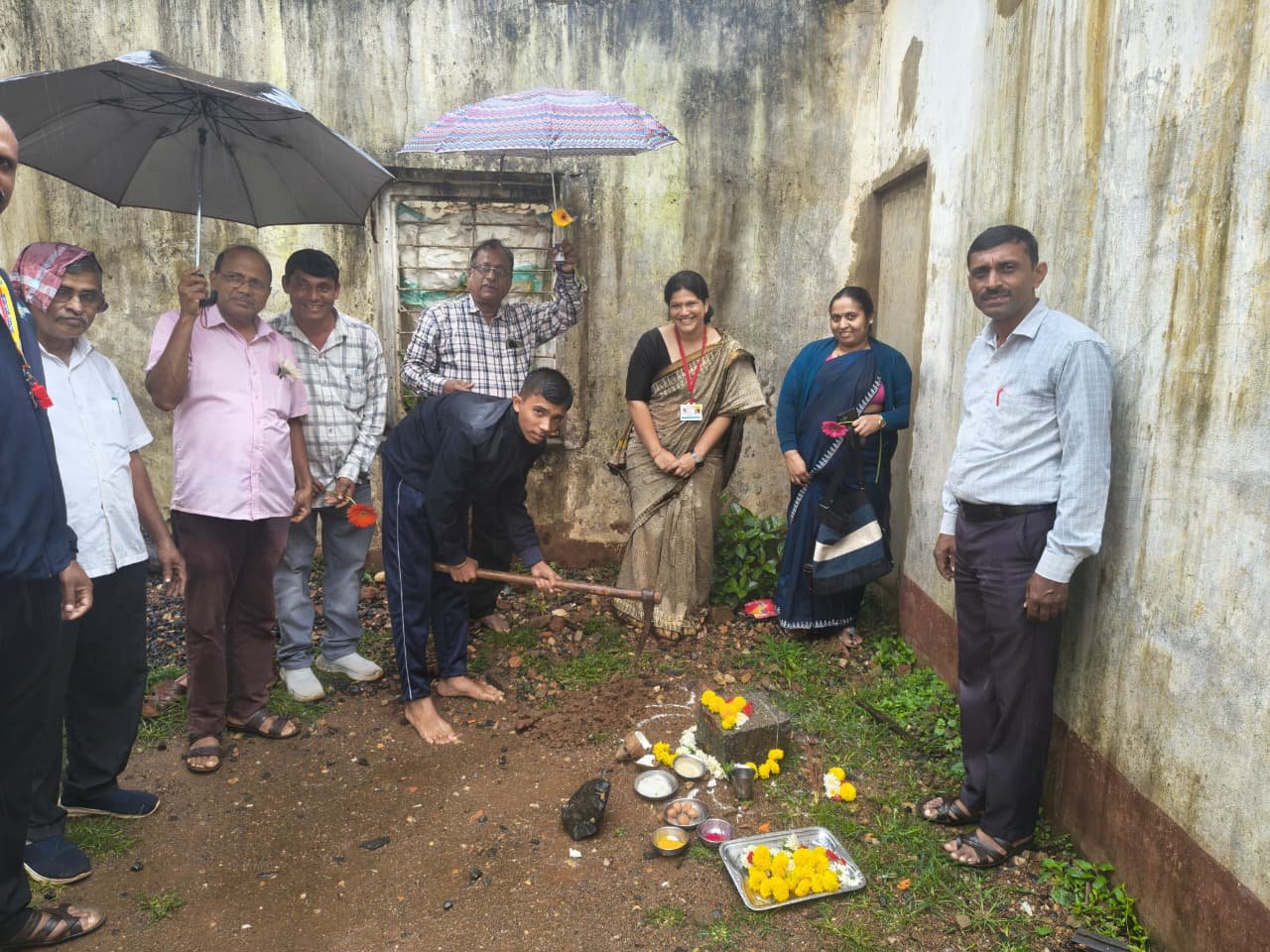
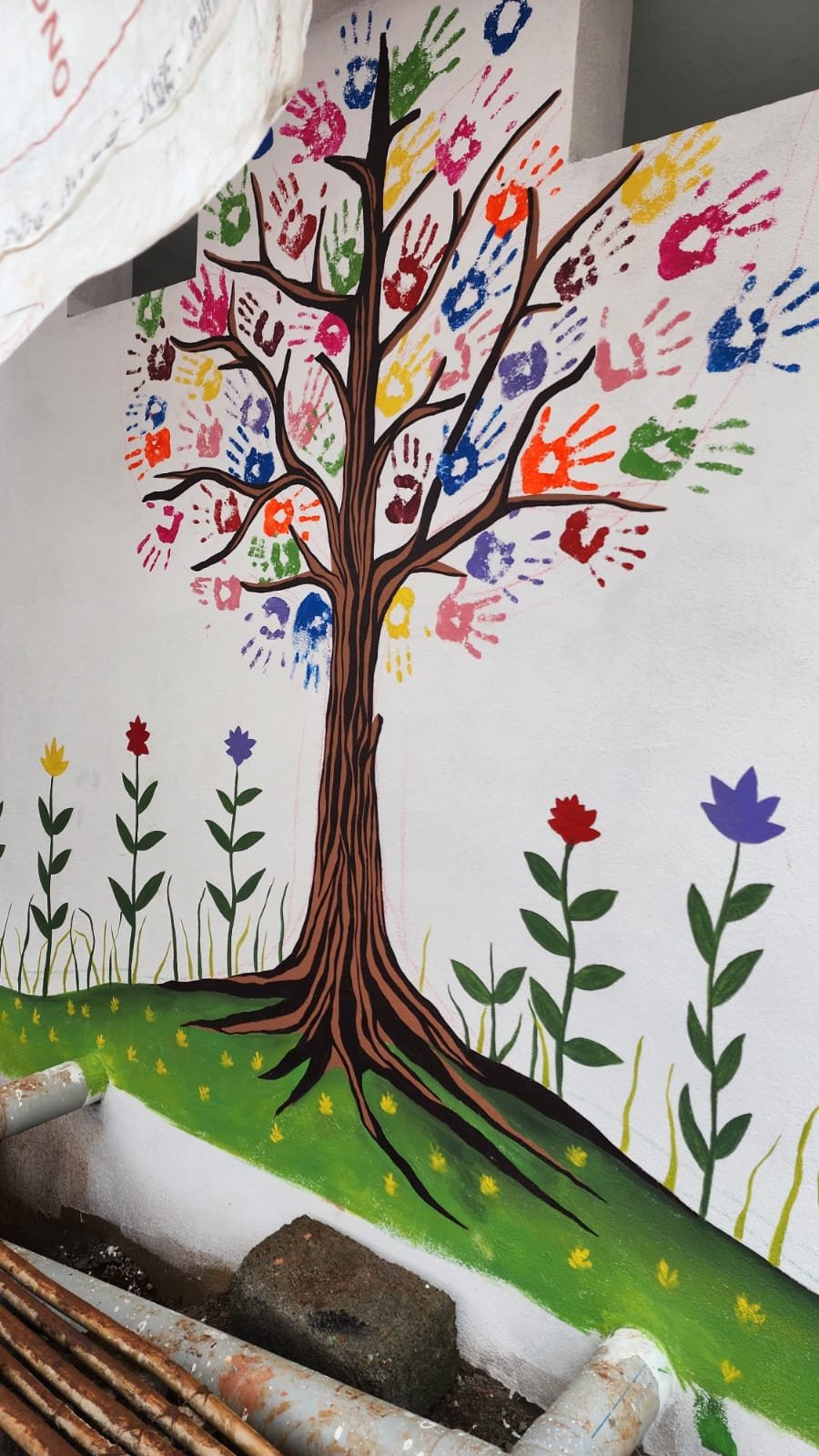
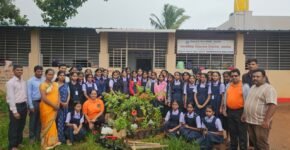
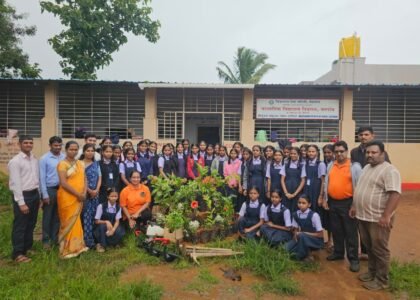
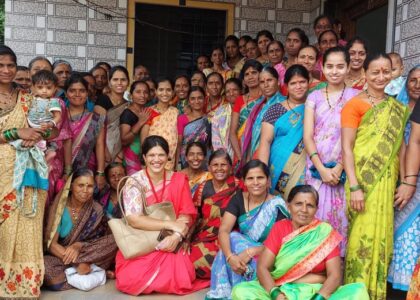
Every completed project represents far more than infrastructure. It represents dignity, healthier school environments and practical examples of sustainability that children witness every day. We believe that when a school adopts better sanitation and water conservation practices, the learning often extends beyond the campus and into homes and communities.
Sometimes we pause and imagine what could be achieved if funding was not the biggest limitation. How many more schools could have safe sanitation? How many more rooftops could harvest rainwater instead of letting it flow away? How many villages could adopt sustainable practices through simple, practical demonstrations? Grassroots organisations often know exactly what needs to be done. What limits them is rarely intent or commitment—it is resources.
Until then, we will continue doing what we have always done—working with one school, one community and one project at a time.